About

I Believe in Me (IBIM) is a confidence-building program that helps children develop emotional awareness, resilience, and a stronger sense of what is possible for them.
The program introduces simple ideas that support children to understand how their thoughts, beliefs and actions can influence their experience of life, helping them build confidence gradually through small steps.
IBIM is used in schools, small groups and community settings to support children in developing practical social and emotional skills that benefit both learning and wellbeing.
Origins of the program
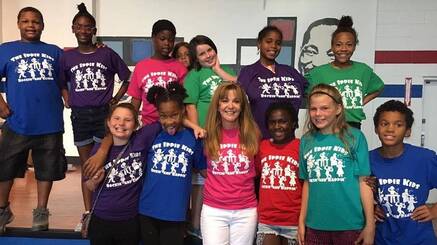
'I Believe in Me' (IBIM) was created by Rebecca Psigoda, drawing on many years of experience supporting adults and young people through personal development learning.
Rebecca was inspired by the broader field of personal development and empowerment education, including principles explored within the Infinite Possibilities framework developed by Mike Dooley.
In 2015, Rebecca was invited to adapt these concepts into a format suitable for children aged 5–12. The response from schools and youth programs was encouraging.
Children showed increased confidence, improved emotional awareness, and greater willingness to try new things.
Since then, the program has been shared with young people in a variety of educational and community settings, both in the United States and internationally.
At the heart of IBIM is a simple belief: Children benefit from learning early that their thoughts, choices, and actions can influence how they experience life.
Leadership & stewardship
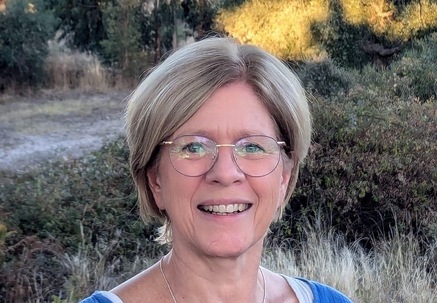
As Rebecca steps into retirement, stewardship of the IBIM program in Europe and the USA is now carried forward by Kimberley Charman, with Rebecca’s full support and encouragement.
Kimberley brings a steady and practical approach to helping people apply personal development ideas in everyday life. Her work focuses on helping people build confidence gently and realistically, without pressure or performance. Her professional background includes:
- qualifying as a Registered General Nurse in England
- founding a charity supporting people with learning disabilities into real paid work
- supporting children and young people and families navigating significant life transitions
- facilitating personal development programs for many years
- continuing the development of the Well-Traveled Soul program (also by Rebecca) for adults experiencing unexpected life changes.
Growing internationally
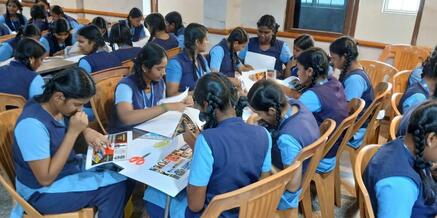
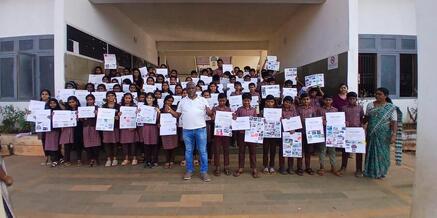
IBIM is already being shared with children and young people in a variety of cultural contexts. Practitioners and educators have introduced the program in schools, community settings, and organisations supporting young people in different parts of the world.
Examples of current and recent activity include:
Mexico - Luz Elena Orozco is the IBIM Program Lead for Mexico and Latin America. She has introduced the Spanish-language version of the program (Yo Creo en Mí) across schools and community organisations in Mexico. Her work includes training teachers, supporting safehouses and orphanages, and helping young people returning to education. The program continues to expand within schools and youth settings.
Africa - Amina Leila Lombard is the IBIM Program Lead for Africa. Amina has been introducing IBIM concepts through educational and community initiatives supporting children and young people across Africa. Her work includes collaboration with teacher training organisations and programs supporting foster care settings, with further development underway in Uganda and Kenya.
India - Velu Arumugam has introduced the program through workshops for young people and adults in India, reaching over 2,700 participants within one year. Interest continues to grow across schools and community organisations.
These initiatives show the adaptability of the program across different educational and cultural environments. As the IBIM Practitioner Community grows, additional collaborations are expected to develop internationally.
Our shared intention
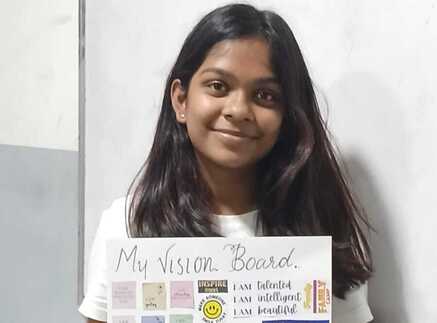
IBIM is based on a simple idea:
When children begin to understand that their thoughts matter, their choices matter, and their small steps matter, they often begin to see themselves differently.
They begin to recognise:
- they can try
- they can learn
- they can grow
- they can begin again
The aim is not to pressure children towards particular outcomes. The aim is to help them develop confidence in their ability to navigate life in their own way.
Looking ahead
IBIM continues to evolve as more practitioners bring the program into schools, groups and communities.
We welcome educators, parents, youth workers and other practitioners who feel drawn to supporting children’s confidence and emotional development by becoming an IBIM Practitioner.
Together, we are building a growing international movement supporting young people to recognise their own potential.